Ask a regular concert-goer or anime fan what they kept from the last event they attended, and the answer is increasingly a piece of laser film. Holographic commemorative tickets, once a niche freebie in Asian fan communities, are now showing up in concert merchandise lineups, game event pop-ups, fan gatherings and VIP bundles. The format takes the familiar shape of a ticket stub and rebuilds it as a designed collectible: printed artwork, an event title, a date line and a light-shifting holographic surface. This article explains why event keepsake tickets are gaining ground, where organizers and creators use them, and what you should prepare, from design files to numbering plans, before commissioning custom holographic tickets of your own.
What Holographic Commemorative Tickets Are, and the Boundary They Carry
A holographic commemorative ticket is a printed, ticket-style piece finished with a holographic or laser film. The design typically mimics the visual language of a real ticket: an event name, a performer or character illustration, a date and venue line, and sometimes a seat-style or serial number. The resemblance ends at the layout. These pieces are keepsakes produced for fans to collect, display, trade or receive as part of a merchandise bundle.
That boundary matters, and any responsible brief should state it plainly: a commemorative ticket is a merchandise item, never a functional admission pass. It carries no access-control function, no security feature and no verification purpose, and it is not intended to replicate or stand in for a venue-issued ticket. At Modori Works, custom holographic tickets are produced strictly as commemorative keepsakes, and orders are accepted only for original artwork or properly licensed designs. Buyers planning event merchandise should keep the same discipline in their own design work: a keepsake ticket should read clearly as memorabilia, and it should never imitate the branding of an official ticketing provider.
Why Event Keepsake Tickets Are Growing
The broader collectibles market explains much of the demand. A July 2026 Accio market summary estimates that the global trading card collecting community exceeds four hundred twenty million people, with roughly seventy-two percent of collectors actively trading cards or submitting them for grading. Collectors already organize their lives around flat, printed, card-sized objects. A commemorative ticket drops into that existing behavior with no education required: it fits the same sleeves, binders, display stands and social media photography habits as a photocard or trading card.
Industry reporting shows the format moving from fan-made novelty to official merchandise. Bahomu's guide to the Honkai: Star Rail 2026 concert merchandise lineup, published in February 2026, lists a laser ticket, described as a commemorative ticket finished with holographic film, among the officially sold items alongside acrylic pieces. A February 2026 product-insights report on Alibaba similarly documented officially released replica concert tickets for the anime Oshi no Ko. These are cited here as publicly reported industry examples that show where the category is heading; they are not products Modori Works offers or reproduces.
Live events in North America point the same direction. When hololive production partnered with the Los Angeles Dodgers for hololive night in July 2025, the official announcement included limited-edition trading card packs bundled with special ticket packages, a clear signal that event organizers now treat printed collectibles as part of the ticket experience itself. Meanwhile, the audience for fan event collectibles keeps expanding: Anime Expo 2025 recorded more than four hundred ten thousand turnstile visits over four days, according to the organizer's official wrap-up release.
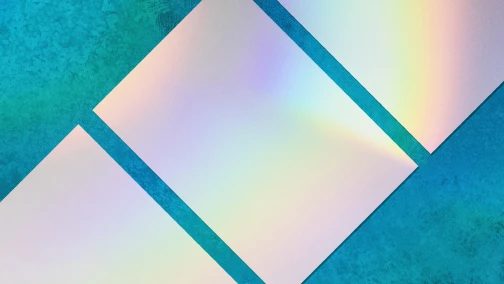
Production technology has kept pace. Industry craft guides, such as VNK's holographic foil guide published in November 2025, describe mature finishing options including rainbow, broken-glass and dot-matrix holographic patterns applied through cold foil or film lamination processes. What once required specialty security printers is now accessible for custom, made-to-order runs at merchandise quantities, which is exactly why laser ticket merch has become practical for independent organizers and creators.
Where Custom Holographic Tickets Fit in Event Merchandising
The format serves several distinct event scenarios, and each one shapes the design brief differently.
Concerts and Live Performances
Concert commemorative tickets work as merchandise table items, pre-order bonuses or tour-stop exclusives with a different artwork variant per city. Because the ticket format already implies a date and a place, it anchors the memory of a specific show more directly than a generic print. Fan projects for independent musicians and virtual performers use the same logic at smaller quantities.
Anime, Game and Pop-Up Events
Anime conventions, game community meetups and pop-up exhibitions use commemorative tickets as admission-adjacent memorabilia: a collectible that marks attendance without functioning as the entry document. Organizers distribute them as check-in gifts, cosplay contest prizes or limited merchandise. For these programs, original characters and event mascots are the safest and most flexible design route, since the organizer owns the artwork outright.
Fan Gatherings and Fan-Made Events
Fan-run gatherings, anniversary celebrations and crowdfunding reward programs have adopted the format as a shared token of participation. A numbered run turns a simple giveaway into a documented edition, which is part of why these tickets circulate in collector communities long after the event ends.
VIP Bundles and Premium Tiers
For paid events and merchandise drops, a holographic ticket often anchors the premium tier: a standard bundle includes common items, while the VIP tier adds a numbered commemorative ticket, an exclusive card or an acrylic piece. The ticket's perceived value comes from the holographic finish and the edition numbering rather than its material cost, which makes it an efficient premium component.
Numbering and Limited Editions
Sequential numbering is the single most effective upgrade for an event keepsake ticket. A printed serial in the corner of each piece, a declared edition size, or a seat-style code transforms a printed item into a documented collectible. Fans photograph low numbers, trade for specific digits and track complete runs, all of which extends the event's presence on social platforms. When planning numbering, decide three things early: the numbering format and placement in the layout, the total edition size you will communicate, and whether different tiers or event dates need separate number ranges. These details belong in the print files and the proof, settled before production begins.
Pairing Tickets with Cards and Acrylic Pieces
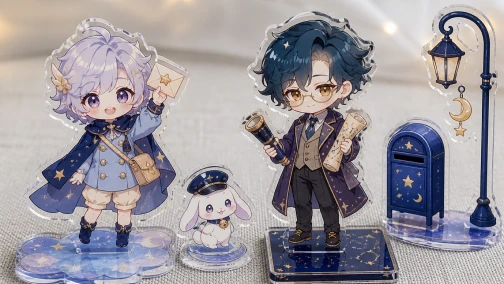
Holographic commemorative tickets rarely ship alone. The strongest event merchandise programs treat the ticket as the centerpiece of a small set. Pairing it with custom trading cards or photocard-style prints gives collectors a matching series to chase across events or tour stops. Adding an acrylic standee of the same character or event key art creates the premium bundle tier that drives the highest transaction values. Custom PVC cards handle the durable, wallet-sized end of a set, useful for membership-style keepsakes at recurring fan events. Consistent artwork, matching holographic accents and coordinated numbering across the set are what separate a coherent collection from a pile of unrelated items.
Preparing Design Files for Laser Ticket Merch
File preparation for holographic tickets follows standard print discipline with a few format-specific additions. Supplier and industry guides consistently call for artwork at three hundred DPI at the final ticket size, a CMYK color review before submission, and vector files for logos and fine linework so edges stay sharp. Provide both front and back layouts as clearly labeled files, and keep important text and faces away from areas where the holographic effect is strongest, since heavy reflective film can reduce legibility of small details.
Decide the holographic coverage as part of the design, not after it. Full-coverage holographic film produces the dramatic laser look associated with concert keepsakes, while selective treatment keeps portraits and typography crisp. Mark the ticket proportions, safe margins and any numbering or date-line fields as distinct layers or notes in your file set. Final specifications, including exact dimensions and finish options, always follow the confirmed quotation and the approved digital proof.
Ordering Considerations for Organizers and Creators
Custom holographic tickets are made-to-order products, so the ordering process rewards early planning. At Modori Works, production begins at fifty pieces per design, with a digital proof approved before manufacturing starts. Build your schedule backwards from the event date and leave buffer for proofing, production and international shipping; confirm the specific timeline with your quotation rather than assuming a fixed lead time. For multi-design programs, such as a tour with per-city variants, prepare all artwork in one batch so proofing and production stay coordinated.
Rights come first throughout. Submit only artwork you created, own, or hold a valid license to use. Fan artists working with existing franchises should verify the rights holder's current fan-content policy before ordering merchandise, since those policies vary and change over time. A manufacturer can confirm print specifications and finish quality; confirming that you hold the rights to your submitted artwork remains your responsibility.
Planning Your Own Commemorative Ticket Run
The rise of holographic commemorative tickets reflects a simple shift: fans want a physical record of the events that matter to them, and the ticket format delivers that record in a collectible, displayable, tradeable object. Concerts, anime and game events, fan gatherings and VIP programs all have proven use cases, and the production path, from file preparation to numbering plans to bundle pairing, is well established.
If you are planning custom holographic tickets from your original artwork or properly licensed designs, explore the specifications and options on our custom holographic tickets page and send your files for review. Our team will check the artwork, prepare a digital proof and confirm quantity and packaging details with you before production. Modori Works manufactures custom merchandise exclusively from original artwork or properly licensed designs.
-

Modori Works Team
Custom B2B Merchandise Manufacturer
Authored by the engineering and production specialists at Modori Works. We share deep manufacturing insights, material breakdowns, and workflow guides to help global brands, artists, and event organizers bring custom acrylics, keycaps, and collectibles to life with strict IP protection.